Book An Appointment
Ready to glow? Schedule your appointment with us at Élevé Med Spa & Aesthetics today and experience the ultimate in beauty and wellness. We can't wait to help you look and feel your best!
Book AppointmentAlma FemiLift is a minimally invasive vaginal rejuvenation treatment that uses fractional CO2 laser technology to address a range of feminine health concerns that are common but rarely talked about openly. It works by delivering controlled laser energy to the vaginal tissue, which stimulates the body's natural collagen production and improves the quality and elasticity of the tissue over time. The result is improved tissue tone, better lubrication, and a reduction in the functional issues that often accompany these changes.
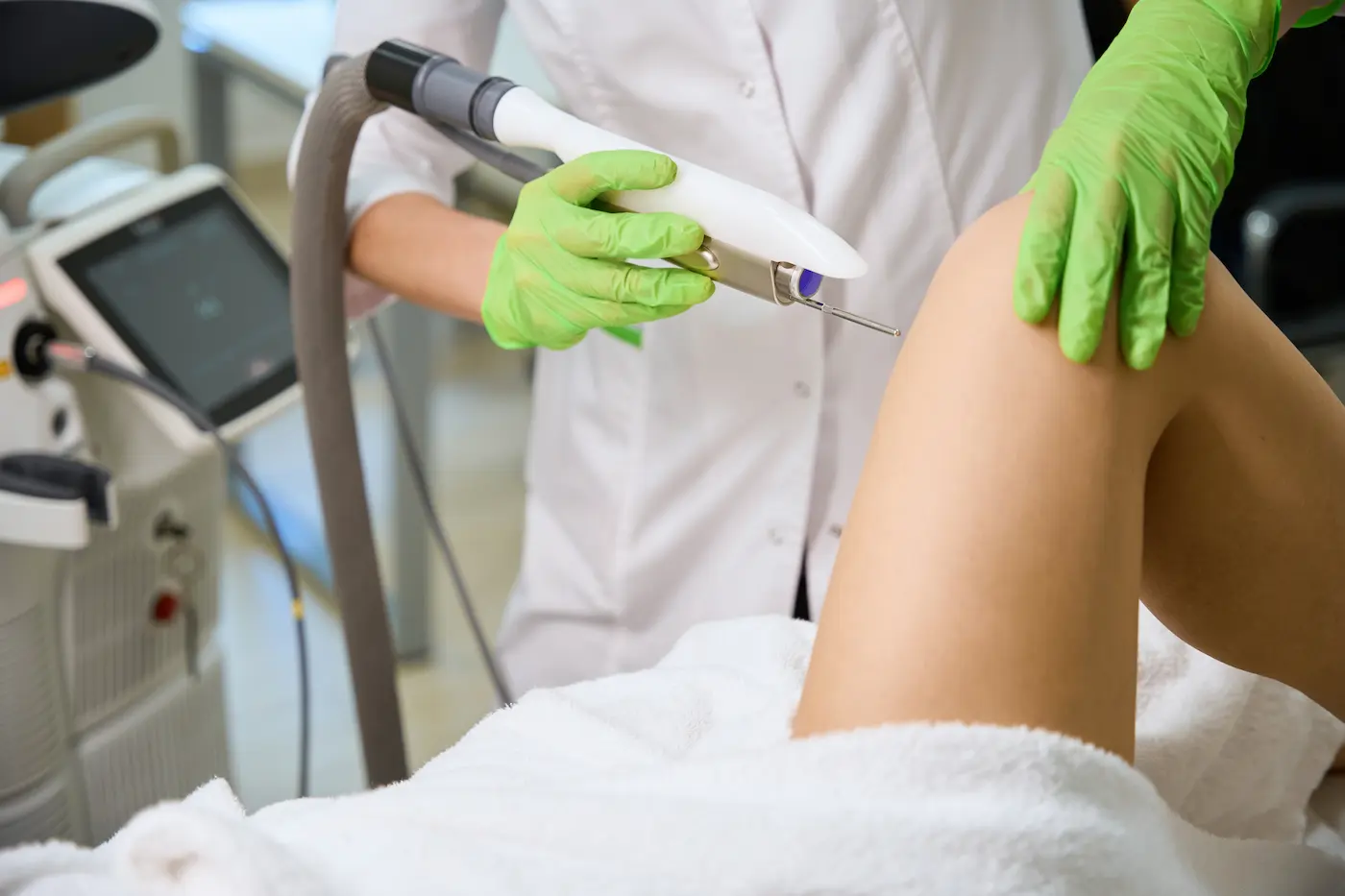
The procedure itself is quick, typically taking just a few minutes per session, and is performed in-office with minimal discomfort. A small applicator is used to deliver the laser energy precisely, and most women describe the experience as mild pressure rather than anything painful. There's no anesthesia required, no significant downtime, and the process doesn't disrupt daily life in any meaningful way.

.webp)

FemiLift is designed for women experiencing changes in vaginal health that affect comfort and quality of life. Vaginal dryness associated with menopause is one of the most common reasons women seek this treatment, as declining estrogen levels cause the tissue to thin, lose elasticity, and produce less natural lubrication. FemiLift stimulates collagen regeneration in a way that restores tissue health without hormones.
It's also effective for women dealing with vaginal laxity following childbirth, which can affect both physical comfort and sexual satisfaction. Mild urinary stress incontinence is another condition it addresses by strengthening and toning the vaginal tissue that supports the bladder. For many women, these changes have been present for years and simply accepted as inevitable. FemiLift offers a clinical path to meaningful improvement through a series of typically two to three sessions spaced about four weeks apart.
Fractional CO2 laser energy stimulates collagen production and improves tissue health in the vaginal lining, restoring natural lubrication and reducing the dryness and discomfort that commonly accompany menopause.
By triggering collagen regeneration and tissue tightening, FemiLift addresses the laxity that can develop after childbirth, improving tone and sensation without the need for surgical intervention.
The tissue tightening effect of FemiLift helps support the structures around the bladder, providing meaningful relief from mild urinary stress incontinence that affects daily activities and confidence.
Each FemiLift session is performed in-office and takes just a few minutes. There's no anesthesia, no significant discomfort, and no downtime required, making it easy to integrate into a regular schedule.
Most women describe a mild pressure or warmth during the procedure rather than pain. No anesthesia is required, and the treatment is generally well-tolerated. The applicator is designed specifically for vaginal tissue, so the delivery is precise and controlled.
A typical protocol consists of two to three sessions spaced approximately four weeks apart. Some women notice improvement after the first session, with the full benefit building over the course of the series. Annual maintenance sessions are often recommended to sustain results.
There is minimal downtime. Most women can return to their normal daily activities immediately after treatment. Sexual activity is typically recommended to be avoided for a few days following each session, and your provider will give you specific aftercare instructions.
Yes. FemiLift is specifically well-suited for menopausal and post-menopausal women experiencing vaginal dryness, discomfort, and tissue changes due to declining estrogen. It offers a non-hormonal way to address these concerns at the tissue level.
Ready to glow? Schedule your appointment with us at Élevé Med Spa & Aesthetics today and experience the ultimate in beauty and wellness. We can't wait to help you look and feel your best!
Book Appointment